Exploring the Soul of South African Wine: Stellenbosch
In the global conversation about fine wine, South Africa has steadily carved out a reputation for excellence, diversity, and value. At the heart of this story lies Stellenbosch—a historic and dynamic wine region that continues to define the country’s wine identity while evolving with modern sophistication.
Nestled in the Western Cape, just about 50 kilometers from Cape Town, Stellenbosch is often regarded as the cradle of South African wine. With a winemaking history dating back to the late 17th century, it is not only one of the oldest wine regions in the New World but also one of the most prestigious.
A Landscape Designed for Wine
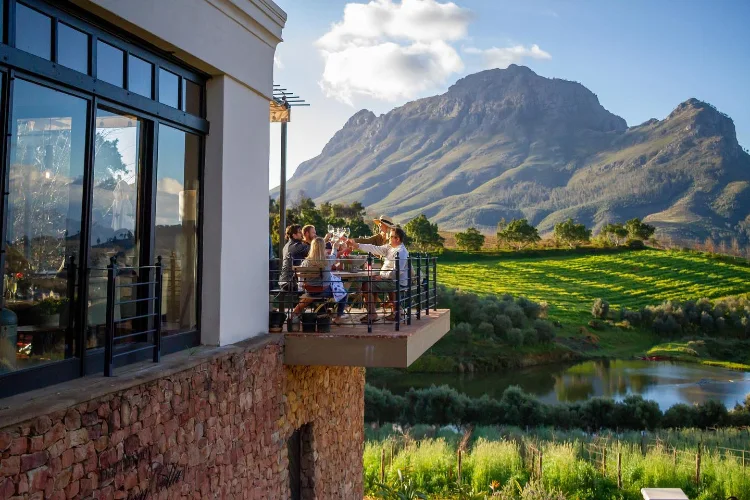
Stellenbosch’s terroir is nothing short of remarkable. The region is framed by dramatic mountain ranges—the Simonsberg, Helderberg, and Stellenbosch Mountains—which create a patchwork of microclimates and soil types. These natural elements work in harmony to produce wines of complexity and character.
Cooling ocean breezes from the nearby Atlantic Ocean moderate temperatures, allowing grapes to ripen slowly and retain their acidity. The soils—ranging from decomposed granite to sandstone and clay—add further depth, influencing everything from structure to minerality in the wines.
Signature Grapes and Styles
Stellenbosch is synonymous with premium red wines, particularly Cabernet Sauvignon, which thrives in the region’s well-drained soils and warm climate. These wines are typically structured, age-worthy, and expressive, often showing notes of blackcurrant, tobacco, and cedar.
Another standout is Pinotage, South Africa’s signature grape, which finds one of its finest expressions here. In Stellenbosch, Pinotage can range from bold and smoky to refined and fruit-driven, depending on the winemaking approach.
White wines are equally compelling. Chenin Blanc—locally known as Steen—produces vibrant, fresh wines with notes of apple, honey, and citrus, while Chardonnay and Sauvignon Blanc offer elegant, terroir-driven interpretations.
Tradition Meets Innovation
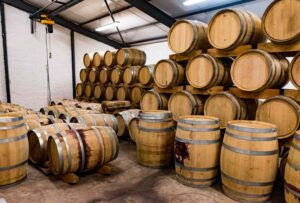
What makes Stellenbosch particularly fascinating is its balance between heritage and innovation. Many estates boast centuries-old cellars and Cape Dutch architecture, yet they are equally equipped with cutting-edge winemaking technology.
Producers in the region are increasingly embracing sustainable and organic practices, responding to global demand for environmentally responsible wines. There is also a noticeable shift toward minimal intervention winemaking, allowing the true expression of terroir to shine through.
Wine Tourism at Its Finest
Beyond the bottle, Stellenbosch offers one of the most immersive wine tourism experiences in the world. Visitors are welcomed into picturesque estates where wine tastings are paired with gourmet cuisine, art, and breathtaking scenery.
The region’s wine routes are well-developed, making it easy to explore multiple estates in a single day. From luxury tastings to more rustic, farm-style experiences, Stellenbosch caters to both seasoned connoisseurs and curious newcomers.
Why Stellenbosch Matters Globally
In an increasingly competitive global wine market, Stellenbosch stands as a powerful ambassador for South African wine. Its ability to produce world-class wines across a range of styles and price points makes it especially attractive to emerging markets—including Africa itself.
For markets like Nigeria, where wine appreciation is growing rapidly among a young and aspirational demographic, Stellenbosch offers a compelling mix of quality, storytelling, and accessibility. Its wines are not just products; they are experiences—deeply rooted in history, yet forward-looking in vision.
READ MORE: From Grape to Glass: A Beginner’s Guide to the Winemaking Process
Final Thoughts
Stellenbosch is more than just a wine region—it is the beating heart of South Africa’s wine industry. With its rich heritage, exceptional terroir, and commitment to innovation, it continues to set the standard for what African wine can achieve on the global stage.
For anyone looking to understand the future of wine in Africa, the journey must begin here.