Discovering the Power and Elegance of Spanish Wine: Rioja
When discussing the great wine regions of the world, Spain stands tall with a heritage that blends tradition, craftsmanship, and bold expression. At the forefront of this rich wine culture is Rioja—Spain’s most iconic and internationally celebrated wine region.
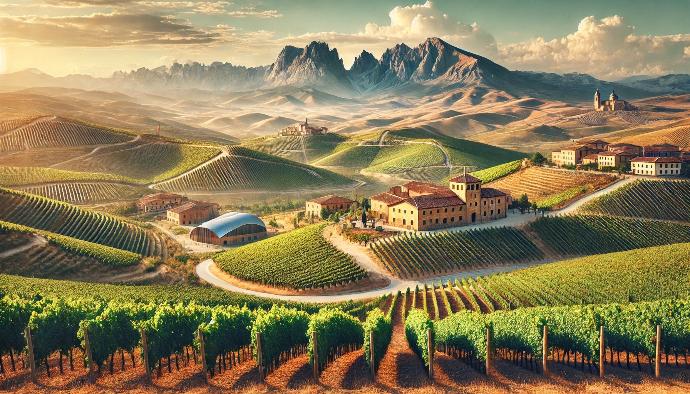
Located in northern Spain, along the banks of the Ebro River, Rioja stretches across three sub-regions: Rioja Alta, Rioja Alavesa, and Rioja Oriental. Each contributes unique characteristics, but together they form a unified identity built on elegance, structure, and remarkable ageing potential.
A Terroir Defined by Diversity
Rioja’s success begins with its geography. Protected by the Cantabrian Mountains to the north, the region enjoys a balanced climate that blends Atlantic freshness with Mediterranean warmth. This climatic harmony allows grapes to ripen gradually while maintaining acidity—an essential factor in producing age-worthy wines.
The soils vary across the region, from clay-limestone in Rioja Alavesa to iron-rich clay in Rioja Alta and alluvial soils in Rioja Oriental. This diversity enables winemakers to craft wines with layered complexity, structure, and regional nuance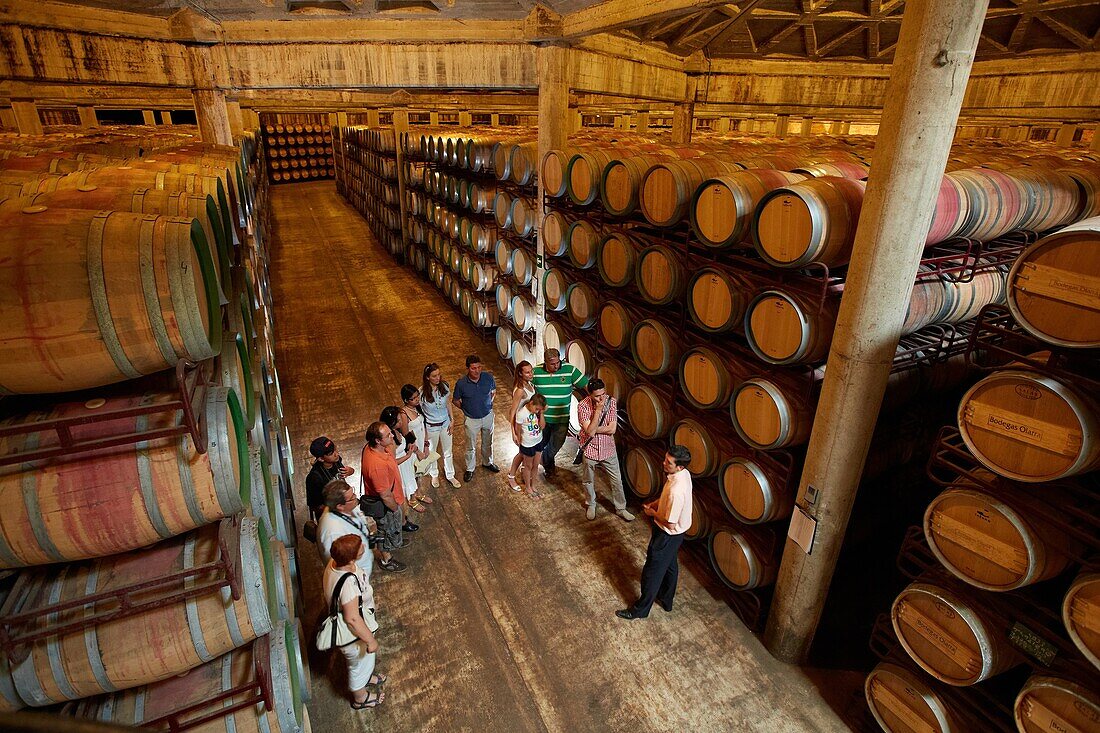
The Heart of Rioja: Tempranillo
At the core of Rioja’s identity is Tempranillo, Spain’s noble red grape. Tempranillo thrives in Rioja’s climate, producing wines that are both powerful and refined. Typical flavor profiles include red berries, plum, tobacco, leather, and subtle spice—especially when aged in oak.
Rioja is globally renowned for its ageing classification system, which sets it apart from many wine regions:
- Crianza wines are aged for at least two years, with a minimum of one year in oak
- Reserva wines are aged longer, offering more complexity and depth
- Gran Reserva wines are the pinnacle—aged for extended periods, often developing tertiary notes like dried fruit, cedar, and earth
These classifications are not just labels; they are a testament to Rioja’s mastery of time and patience in winemaking.
Beyond Red: Whites and Modern Styles
While Rioja is famous for red wines, its white wines deserve equal attention. Viura (also known as Macabeo) is the dominant white grape, producing wines that range from crisp and fresh to rich and oak-aged.
In recent years, Rioja has undergone a quiet revolution. A new generation of winemakers is experimenting with single-vineyard expressions, minimal intervention techniques, and fresher, fruit-driven styles. This evolution is redefining Rioja—not as a region bound by tradition, but as one that skillfully blends heritage with innovation.
Culture, Architecture, and Wine Tourism

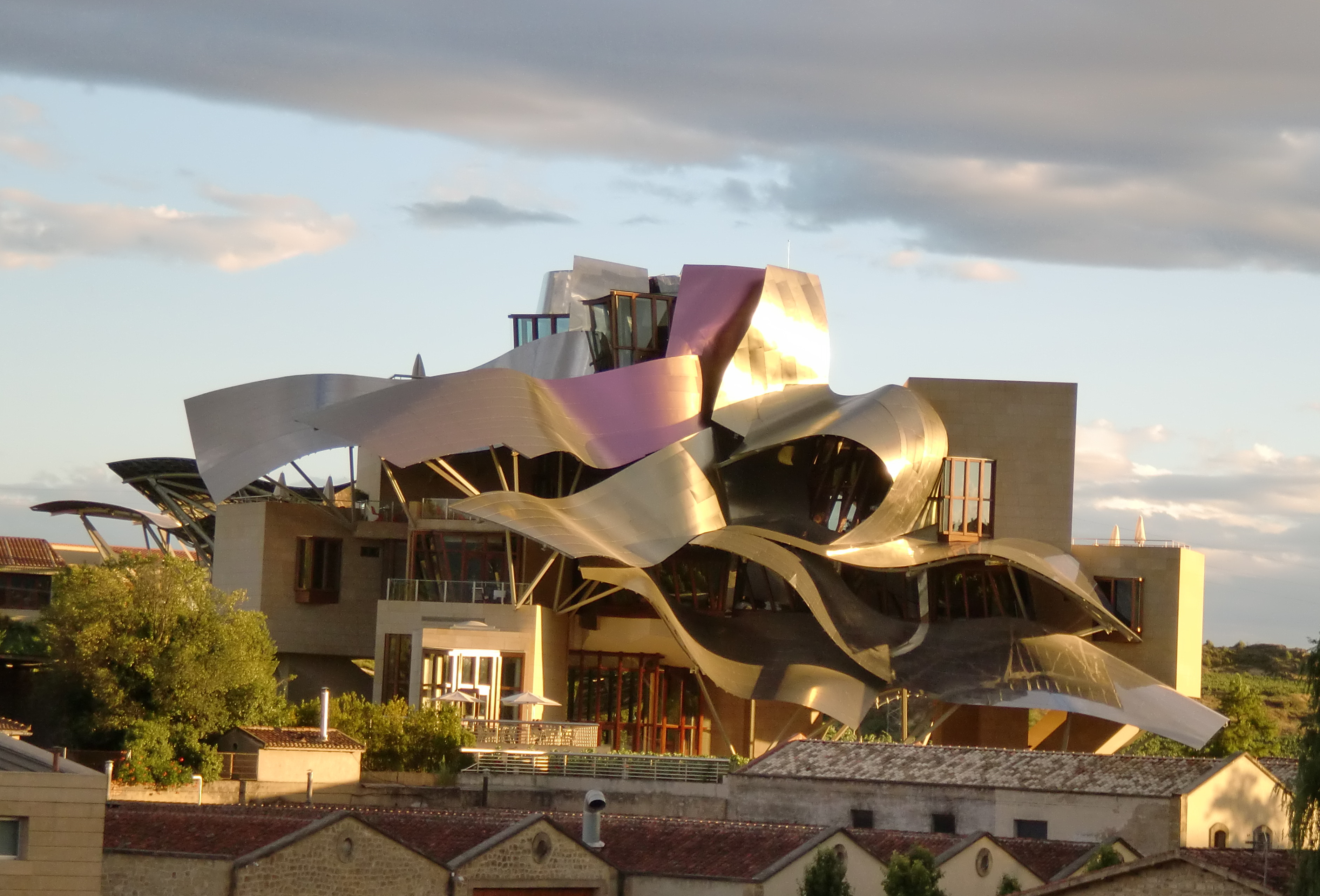
Wine in Rioja is not just about what’s in the glass—it is a complete cultural experience. The region is home to some of the most architecturally stunning wineries in the world, including the iconic Marqués de Riscal Winery, designed by renowned architect Frank Gehry.
Visitors can explore historic underground cellars, enjoy curated tastings, and indulge in world-class gastronomy that reflects the richness of Spanish culinary tradition. Rioja’s wine routes are among the best organized in Europe, offering a seamless blend of wine, culture, and leisure.
Rioja in the Global Wine Conversation
Rioja’s global appeal lies in its ability to deliver consistency, quality, and strong brand identity. It has successfully positioned itself as a premium yet accessible wine region, making it highly attractive in emerging markets.
For growing wine markets like Nigeria, Rioja offers a compelling proposition—structured, food-friendly wines with recognizable classification systems that help consumers navigate quality. Its balance of tradition and modernity also resonates with a new generation of wine drinkers seeking both authenticity and experience.
Rioja is more than Spain’s most famous wine region—it is a symbol of endurance, craftsmanship, and evolution. From its mastery of oak ageing to its embrace of modern winemaking, Rioja continues to set the benchmark for Spanish wine on the global stage.
For anyone exploring the depth and diversity of European wines, Rioja is not just a destination—it is an essential experience.