Rhône Valley – A River, a Landscape, and Wines Born of Sun and Stone
The Rhône Valley is not merely a place on a map—it is a story written in riverbanks, vineyards and time. Stretching from Lyon in the north to the Mediterranean Sea in the south, it is one of France’s most iconic wine regions, a corridor of history where Roman ruins stand beside terraced vines and where wine is both heritage and heartbeat. To speak of the Rhône is to speak of power, perfume, heat, mistral winds, granite slopes and sun-soaked plains.
It is a region defined by contrast—northern elegance meets southern warmth, creating wines as diverse as the landscapes they spring from.
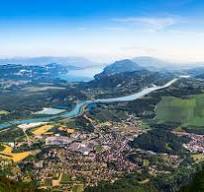
The valley follows the path of the Rhône River, which cuts through steep hillsides and fertile lowlands, acting as the region’s spine. In the north, vineyards cling to granite terraces, carved painstakingly over centuries by growers who refused to let the land dictate limits.
Here, the climate is continental—cooler, disciplined, shaped by dramatic slopes that face the sun like worshippers. In this half of the valley, one grape takes center stage: Syrah. Dark, peppery, structured and full of tension, Syrah from the Northern Rhône speaks in notes of violet, olive, smoked meat and black fruit. Wines from appellations like Côte-Rôtie, Hermitage, Cornas and St. Joseph are revered, age-worthy and singular; they are wines with spine, wines that command attention.
White wines here, though fewer, are profound in character. Viognier from Condrieu is opulent, heady, dripping with apricot, honeysuckle and peach. Roussanne and Marsanne, often blended, bring texture, depth and a gentle whisper of nuts and spice. There is something almost poetic about the Northern Rhône—its wines feel like the expression of a mountain’s breath, powerful yet restrained, sculpted by stone and slope.
As the river flows south, the Rhône widens, the heat intensifies, and the vineyards sprawl across broad valleys and sunwashed plateaus. The Southern Rhône is Mediterranean in spirit—warm, generous, aromatic.
Here blends reign supreme, and at their heart is Grenache. Juicy, spicy, full of warmth and red fruit, Grenache provides flesh and sweetness, while Syrah lends structure and Mourvèdre adds smoky depth and wildness. Together they form the backbone of the region’s most famous red: Châteauneuf-du-Pape. Once the summer residence of the Popes, this appellation is a tapestry of history and terroir, its vineyards scattered with round, sun-soaked stones called galets.
The wines are powerful yet silky, layered with herbs, cherry, leather and earth; they taste like the southern wind, like sunshine captured in liquid form.
Beyond Châteauneuf, the Southern Rhône offers an orchestra of appellations—Gigondas, Vacqueyras, Lirac, Tavel, Côte du Rhône villages—each with its own rhythm. Rosés here are vibrant, dry and expressive. Whites are floral and textured. Red blends range from playful and fruit-forward to deep and brooding.
It is a region that welcomes both the enthusiast and the curious, where accessibility and complexity coexist in harmony.
READ MORE: Ikem Represents Africa at California Wine Institute’s Global Buyers Marketplace in Napa Valley, USA
The Rhône Valley is as much culture as it is wine. Markets overflow with olives, lavender, truffles, tomatoes and cheeses—ingredients that seem made for the wines born beside them.
Pairings feel instinctive: Northern Rhône Syrah with game, lamb or charred steak; Southern Rhône blends with roasted vegetables, ratatouille, stews and sunlit meals shared outdoors.
The region invites not just drinking, but living—long lunches, slow evenings, glasses that refill themselves in laughter.
To taste the Rhône is to taste its landscapes—the mineral tension of the north, the herbal warmth of the south, the river that unites them. It is a valley where history flows like water, where grapes carry the imprint of sun and stone, and where every bottle tells a story of resilience and beauty. Rhône Valley wines are not just beverages; they are places, seasons and memories held in glass, proof that the land itself can speak—boldly, gracefully, and with endless character.

You may also like
From Grape to Glass: A Beginner’s Guide to the Winemaking Process
Understanding Wine Terroir: Why Where a Wine Comes From Truly Matters